
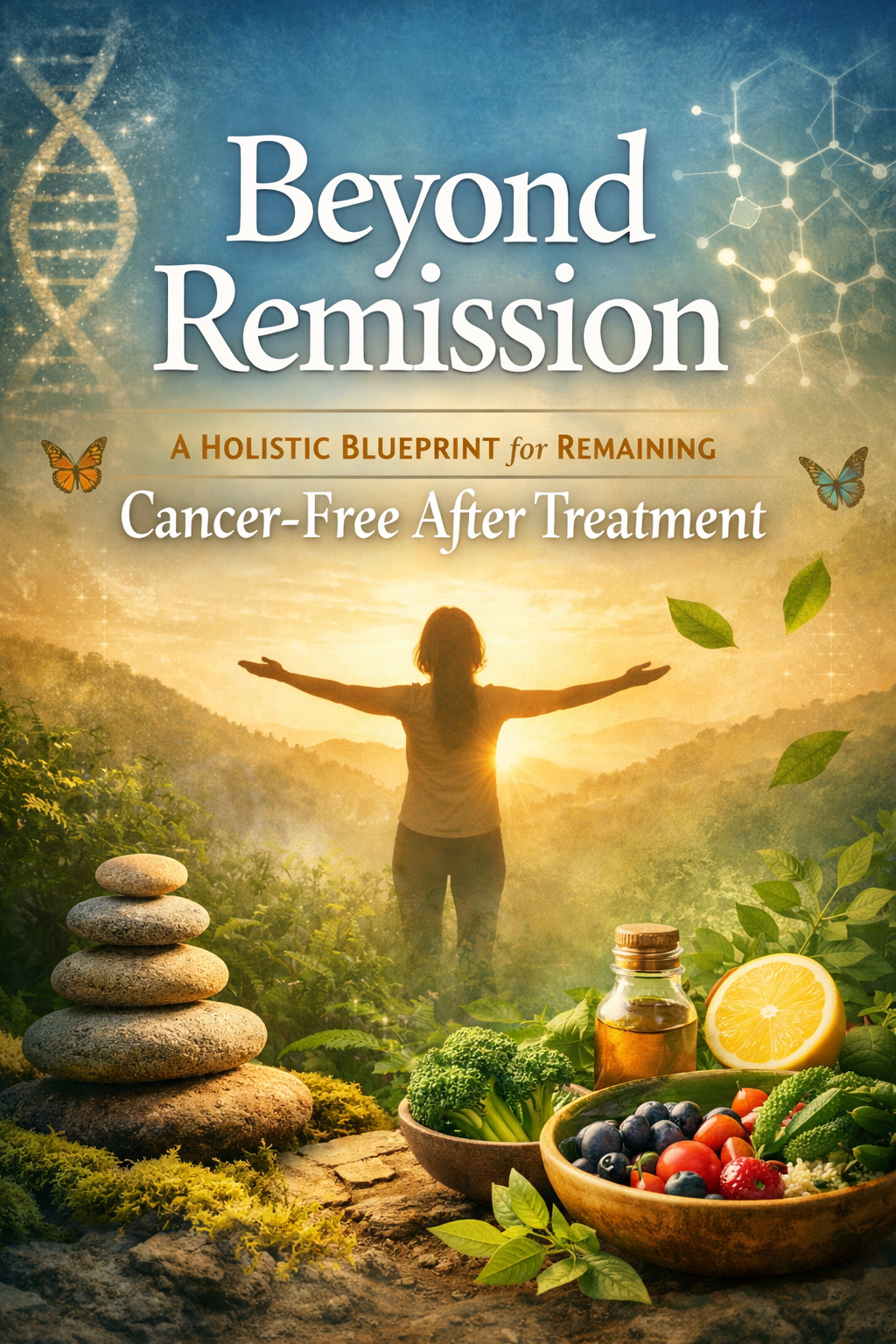
For many individuals, the end of cancer treatment marks the beginning of a new chapter — one that often comes with an important question:
“How do I support my body so cancer does not return?”
For me, this question wasn’t theoretical — it was deeply personal.
Over a decade ago, I was diagnosed with Hodgkin’s lymphoma.
That moment changed everything.
Life, as I knew it, paused.
But something within me refused to give up.
I chose not just to fight the disease — but to understand my body, support it, and rebuild it from the inside out.
Today, I stand 10+ years cancer-free, living a life rooted in health, awareness, and conscious choices.
And what I’ve learned through this journey is this:
Survivorship is not just about remission — it’s about creating an internal environment where disease struggles to return.
While medicine focuses heavily on treatment, survivorship requires a broader lens. Healing after cancer is not only about removing disease — it is about restoring balance in the body’s internal environment so that health can be sustained over the long term.
A holistic approach recognizes that cancer is influenced by many interconnected factors: inflammation, metabolic health, immune resilience, environmental exposures, emotional stress, and cellular repair mechanisms.
Supporting these systems can help the body move from a state of vulnerability toward long-term resilience and vitality.
Below are several integrative strategies that many cancer survivors explore as part of their recovery and prevention journey.
1. Rebuild the Body Through Anti-Inflammatory Nutrition
Food is one of the most powerful daily influences on cellular health.
Research increasingly shows that chronic inflammation and metabolic dysfunction contribute to the development and progression of many cancers. A diet rich in whole, nutrient-dense foods can help regulate these pathways.
A healing nutritional approach often includes:
• A predominantly plant-rich diet filled with vegetables, legumes, herbs, and whole grains
• Abundant phytonutrients and antioxidants from berries, cruciferous vegetables, and colorful produce
• Healthy fats from nuts, seeds, olive oil, and omega-3 sources
• Adequate fiber intake to nourish the gut microbiome
• Limiting refined sugar, ultra-processed foods, and inflammatory oils
The gut microbiome plays a critical role in immune regulation and detoxification. Supporting microbial diversity through fiber-rich foods and fermented foods can contribute significantly to long-term health.
2. Restore Metabolic Balance
Cancer cells often thrive in environments characterized by high insulin levels, metabolic dysfunction, and chronic inflammation.
Stabilizing metabolic health therefore becomes a key pillar of prevention.
Strategies include:
• Maintaining balanced blood sugar through whole foods
• Prioritizing protein and healthy fats for metabolic stability
• Engaging in regular physical movement
• Supporting healthy body composition
Exercise not only strengthens the body but also improves insulin sensitivity, enhances immune surveillance, and reduces systemic inflammation.
Even moderate activities such as walking, yoga, resistance training, or mobility exercises can significantly improve survivorship outcomes.
3. Strengthen Immune Surveillance
The immune system constantly scans the body for abnormal cells. When functioning optimally, it can identify and eliminate threats before they develop into disease.
Supporting immune resilience includes:
• Ensuring sufficient vitamin D levels
• Adequate intake of nutrients such as zinc, selenium, and omega-3 fatty acids
• Prioritizing deep restorative sleep
• Maintaining regular physical activity
Sleep is often underestimated. During deep sleep cycles, the body carries out critical processes related to immune regulation, hormonal balance, and cellular repair.
4. Address Emotional and Psychological Healing
The experience of cancer often leaves emotional scars that can persist long after treatment.
Chronic stress elevates cortisol levels and inflammatory pathways that influence immunity and metabolic health.
Holistic recovery recognizes the importance of emotional healing through practices such as:
• Meditation and breathwork
• Yoga or mindful movement
• Counseling or therapy
• Journaling and support communities
• Spending time in nature
Emotional wellbeing is not separate from physical healing. The mind and body operate as an integrated system.
5. Reduce Environmental Toxic Burden
Modern environments expose us to thousands of chemicals through food packaging, household products, cosmetics, and polluted air.
Reducing this toxic burden can help support the body’s detoxification pathways.
Practical steps may include:
• Choosing organic produce when possible
• Reducing plastic use in food storage
• Selecting cleaner personal care products
• Improving indoor air quality
• Filtering drinking water
Small daily choices can reduce cumulative toxic exposure over time.
6. Explore Integrative and Supportive Therapies
In addition to lifestyle interventions, some survivors explore complementary therapies designed to support cellular healing, oxygenation, and immune function.
These approaches should always be discussed with qualified healthcare professionals and integrated thoughtfully into a comprehensive care plan.
Hyperbaric Oxygen Therapy (HBOT)
Hyperbaric oxygen therapy involves breathing pure oxygen in a pressurized chamber. This process increases oxygen delivery to tissues, which may support cellular repair, wound healing, and recovery after radiation therapy.
HBOT is increasingly explored for its potential to improve tissue oxygenation, mitochondrial function, and regenerative processes.
Intravenous Vitamin C Therapy
High-dose intravenous vitamin C has been investigated in integrative oncology settings for its potential antioxidant and pro-oxidant effects in cancer cells.
Some research suggests that IV vitamin C may:
• Support immune function
• Reduce inflammation
• Improve quality of life during and after treatment
• Enhance tolerance to certain therapies
It is important that IV therapies are administered under professional supervision.
Ozone Therapy
Ozone therapy is used in some integrative clinics to enhance oxygen utilization, support immune modulation, and influence oxidative balance in the body.
While research is ongoing, some practitioners explore it as part of supportive care protocols.
Nutrient IV Therapy
Intravenous nutrient therapy can deliver vitamins and minerals directly into the bloodstream, potentially supporting energy metabolism, immune function, and recovery from treatment-related fatigue.
Common nutrients used include B vitamins, magnesium, glutathione, and vitamin C.
Living Beyond Cancer
Remaining cancer-free is rarely about a single intervention.
It is the cumulative result of how we nourish our bodies, regulate stress, move daily, support our immune system, and care for the environments we live in.
Cancer survivorship often brings a powerful realization:
Health is not simply the absence of disease — it is the presence of balance, vitality, and conscious living.
Through a holistic approach that integrates nutrition, lifestyle medicine, emotional healing, and supportive therapies, survivors can build a foundation for long-term resilience and a deeply nourished life.