
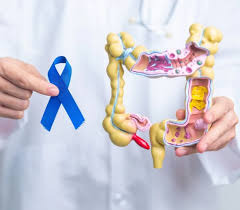
Colorectal cancer (CRC) remains one of the most preventable yet increasingly prevalent malignancies worldwide.
Despite advancements in screening and treatment, global incidence continues to rise — particularly among individuals under the age of 50.
Colorectal cancer rarely develops suddenly. In most cases, it is the biological consequence of long-standing metabolic imbalance, gut dysbiosis, inflammatory signaling, and lifestyle patterns that accumulate over time.
True awareness goes beyond early detection.
It requires understanding the terrain in which disease develops.
Global Epidemiology and Rising Burden
According to GLOBOCAN 2022 global cancer data:
- Approximately 1.9 million new cases of colorectal cancer were diagnosed worldwide.
- Over 900,000 deaths were attributed to CRC in the same year.
- CRC accounts for nearly 10% of all global cancer diagnoses.
- It is currently the second leading cause of cancer-related mortality worldwide, following lung cancer.
Future Prediction
If current trends continue:
- Annual cases may exceed 3.2 million by 2040
- Annual deaths may approach 1.6 million
Of particular concern is the rising incidence of early-onset colorectal cancer (under age 50), suggesting strong environmental and metabolic drivers.
The Indian Context: A Transitioning Risk Profile
Historically less common in India compared to Western nations, colorectal cancer incidence is steadily increasing.
Contributing factors include:
- Urbanization and processed food consumption
- Reduced fiber intake
- Sedentary lifestyles
- Rising obesity and insulin resistance
- Chronic gut inflammation
- Altered microbiome diversity
As dietary and lifestyle patterns shift, prevention strategies must evolve accordingly.
Pathophysiology: From Adenoma to Carcinoma
Most colorectal cancers arise from adenomatous polyps, benign growths in the colon lining that undergo gradual malignant transformation over 8–15 years.
This process involves:
- Chronic oxidative stress
- Accumulation of genetic mutations
- Persistent inflammatory signaling
- Impaired DNA repair mechanisms
- Insulin and growth factor dysregulation
Cancer is often the final manifestation of a long biological process rather than a singular acute event.
The Gut Microbiome: A Central Player
The colon houses trillions of microorganisms that influence immune regulation, epithelial integrity, and inflammatory balance.
In a Healthy Microbiome:
- Short-chain fatty acids such as butyrate nourish colon cells
- The gut barrier remains intact
- Immune surveillance functions optimally
In Dysbiosis:
- Harmful bacterial metabolites increase
- Inflammatory cytokines rise
- Gut permeability increases
- DNA damage risk escalates
Research has identified associations between certain bacteria, such as Fusobacterium nucleatum, and colorectal tumor development.
Chronic bloating, irregular bowel habits, and long-standing digestive discomfort should not be dismissed.
Gut ecology matters.
Red Meat, Processed Foods, and Chemical Pathways
The association between red and processed meat consumption and colorectal cancer risk is supported by substantial evidence.
Mechanisms include:
- Heme iron–induced oxidative stress
- Formation of N-nitroso compounds from nitrates/nitrites
- Heterocyclic amines formed during high-temperature cooking
- Microbial shifts favoring pro-inflammatory species
The World Health Organization classifies processed meat as a Group 1 carcinogen.
Importantly, reducing processed meat intake and increasing dietary fiber improves microbial diversity and inflammatory markers within weeks.
This is not about elimination — it is about biochemical balance.
Obesity and Metabolic Dysregulation
Obesity, particularly visceral adiposity, increases colorectal cancer risk through:
- Hyperinsulinemia
- Elevated IGF-1 (growth factor signaling)
- Chronic low-grade inflammation
- Adipokine imbalance
- Increased oxidative stress
These factors promote abnormal cell proliferation and reduce apoptosis.
Metabolic health is therefore central to colorectal cancer prevention.
Medication Overuse and Gut Integrity
Chronic unsupervised NSAID use (including excessive aspirin) may:
- Irritate intestinal mucosa
- Alter microbiome balance
- Increase intestinal permeability
- Mask early symptoms
While low-dose aspirin may have protective roles in certain individuals under medical supervision, self-medication without guidance may compromise gut integrity.
The colon responds to long-term chemical exposure.
Modifiable Risk Factors
Beyond age and genetics, several lifestyle factors significantly influence risk:
- Diet high in processed/red meats
- Low fiber intake
- Physical inactivity
- Smoking
- Excess alcohol
- Obesity and insulin resistance
- Inflammatory bowel disease
- Chronic psychological stress
Many of these are modifiable.
Early Warning Signs
Colorectal cancer may remain silent in early stages. Symptoms that require medical evaluation include:
- Persistent changes in bowel habits
- Blood in stool or dark stools
- Abdominal discomfort
- Unexplained anemia
- Unintentional weight loss
- Chronic fatigue
Early evaluation improves survival significantly.
Screening and Advanced Diagnostic Tools
Screening reduces mortality by identifying and removing precancerous polyps.
Standard Screening Modalities:
- Colonoscopy – Gold standard for detection and polyp removal
- FIT (Fecal Immunochemical Test) – Annual stool test
- Stool DNA Testing – Identifies abnormal DNA markers
- CT Colonography – Non-invasive imaging alternative
Advanced Testing for Personalized Care:
- Molecular profiling (KR
- AS, BRAF, MSI/MMR)
- Circulating Tumor DNA (liquid biopsy)
- CEA tumor marker monitoring
Routine screening is recommended starting at age 45, or earlier for high-risk individuals.
An Integrative Prevention Framework
Prevention requires more than screening. It requires terrain optimization.
1. Therapeutic Nutrition
- Fiber-rich vegetables and legumes
- Cruciferous vegetables
- Omega-3 rich foods
- Reduced processed and inflammatory fats
- Balanced omega-6 to omega-3 ratio
2. Microbiome Optimization
- Fermented foods
- Polyphenol-rich plants
- Prebiotic fibers
- Reduced ultra-processed foods
3. Metabolic Health
- Resistance training
- Post-meal walking
- Waist circumference monitoring
- Insulin regulation
4. Stress and Neuroendocrine Regulation
- Diaphragmatic breathing
- Yoga practices
- Meditation
- Nervous system balance
5. Supportive Naturopathic Therapies (Adjunctive)
- Contrast hydrotherapy
- Castor oil packs
- Sunlight exposure for vitamin D
- Abdominal breathing practices
These are supportive measures and do not replace medical screening or oncology care.
Prevention Is Strategic — Not Passive
Colorectal cancer is one of the most preventable malignancies globally.
When we address:
- Gut health
- Metabolic balance
- Inflammatory signaling
- Hormonal regulation
- Lifestyle patterns
We significantly influence long-term risk.
Cancer rarely appears without years of biological signaling.
Understanding and modifying those signals changes outcomes.
Take the Next Step: Assess Your Risk
Awareness must translate into action.
If you would like to evaluate your personal metabolic, dietary, inflammatory, and lifestyle risk patterns, begin with our structured assessment:
👉 Take the Awaana Health Cancer Awareness Quiz
https://awaanahealth.com/?fluent-form=3
This comprehensive evaluation helps you:
- Identify modifiable risk factors
- Understand gut and metabolic health patterns
- Recognize early warning signs
- Determine when screening may be necessary
- Take proactive, informed next steps
Prevention begins long before diagnosis.