
In recent years, GLP-1 medications such as Ozempic and Wegovy have transformed the conversation around obesity, insulin resistance, and metabolic health. Their ability to reduce appetite, improve glycemic control, and support significant weight loss has made them increasingly popular worldwide.
However, accessibility remains a major challenge. High costs, long-term dependency concerns, side effects, and limited availability have led many individuals and healthcare practitioners to explore complementary lifestyle-based approaches that can support similar metabolic pathways naturally.
One nutritional intervention gaining renewed attention is Psyllium husk.
Often referred to as the “poor man’s GLP-1,” psyllium husk is not a replacement for medical therapy, nor does it function as a pharmaceutical agent. However, emerging research demonstrates that its physiological effects on satiety, blood sugar regulation, gut microbiome activity, and insulin sensitivity may offer meaningful support for individuals struggling with weight management and metabolic dysfunction.
What Is Psyllium Husk?
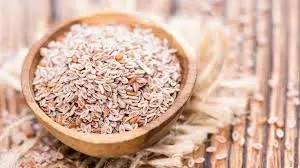
Psyllium husk is a soluble fiber derived from the seeds of Plantago ovata. When combined with water, it forms a viscous gel-like substance within the gastrointestinal tract.
This gel significantly influences digestion and nutrient absorption by:
- Slowing gastric emptying
- Increasing satiety
- Modulating glucose absorption
- Supporting bowel regularity
- Improving gut microbial diversity
Its therapeutic applications have been studied extensively in the context of:
- Obesity
- Insulin resistance
- Type 2 diabetes
- Hypercholesterolemia
- Digestive disorders
- Cardiovascular risk reduction
Psyllium Husk and the “GLP-1 Effect”
GLP-1 (glucagon-like peptide-1) medications work primarily by:
- Delaying stomach emptying
- Enhancing insulin secretion
- Reducing appetite
- Improving postprandial glucose control
Interestingly, psyllium husk appears to support several overlapping mechanisms through dietary and gastrointestinal pathways.
While the magnitude of effect is not comparable to prescription GLP-1 agonists, the metabolic principles are notably similar.
1. Enhanced Satiety and Appetite Regulation
One of the most clinically relevant benefits of psyllium husk is its ability to promote fullness.
Upon hydration, psyllium expands in the stomach and increases gastric volume, helping individuals feel satisfied for longer periods after meals. This may contribute to:
- Reduced caloric intake
- Decreased snacking frequency
- Improved portion control
- Reduced cravings linked to blood sugar fluctuations
For individuals with obesity or emotional eating patterns driven by unstable glucose levels, this can provide substantial support in establishing sustainable eating habits.
2. Improved Blood Sugar Regulation and Insulin Sensitivity
Insulin resistance is characterized by impaired glucose handling and persistent elevations in insulin levels. Frequent post-meal glucose spikes further exacerbate metabolic dysfunction and inflammation.
Psyllium husk helps slow carbohydrate absorption by creating a gel matrix within the intestines. As a result:
- Postprandial glucose spikes are reduced
- Insulin demand may decrease
- Glycemic variability improves
- HbA1c levels may gradually improve over time
Several studies have demonstrated that soluble fiber supplementation can positively influence glycemic control in individuals with:
- Prediabetes
- Type 2 diabetes
- PCOS
- Metabolic syndrome
This makes psyllium a valuable adjunct within a comprehensive metabolic health protocol.
3. Gut Microbiome Support and Metabolic Health
The gut microbiome plays a central role in inflammation, hormonal signaling, appetite regulation, and insulin sensitivity.
As a fermentable soluble fiber, psyllium acts as a prebiotic substrate for beneficial gut bacteria. Fermentation produces short-chain fatty acids such as butyrate, which are associated with:
- Improved intestinal barrier integrity
- Reduced systemic inflammation
- Enhanced insulin signaling
- Better metabolic flexibility
Increasingly, metabolic health is being understood through the lens of gut health, making fiber intake one of the most foundational yet underutilized interventions.
4. Cardiovascular and Lipid Benefits
Insulin resistance frequently coexists with:
- Elevated LDL cholesterol
- High triglycerides
- Fatty liver disease
- Increased cardiovascular risk
Psyllium husk has demonstrated cholesterol-lowering effects by binding bile acids and promoting their excretion through the digestive tract.
Regular intake may contribute to:
- Lower LDL cholesterol
- Improved lipid profiles
- Reduced cardiovascular disease risk
These benefits further strengthen its role as a comprehensive metabolic support strategy.
Clinical Considerations and Usage Guidelines
Psyllium husk should be introduced gradually to avoid gastrointestinal discomfort.
General Guidelines:
- Begin with 1 teaspoon daily
- Consume with a full glass of water
- Increase gradually as tolerated
- Ideally taken 15–20 minutes before meals
Adequate hydration is essential due to psyllium’s high water-absorbing capacity.
Precautions
Although generally well tolerated, psyllium husk may not be appropriate for everyone.
Use caution in individuals with:
- Esophageal narrowing
- Intestinal obstruction
- Severe gastrointestinal disorders
- Swallowing difficulties
Additionally, psyllium may interfere with medication absorption and should typically be consumed at least 1–2 hours apart from medications or supplements.
Final Thoughts
The growing popularity of GLP-1 medications has highlighted an important truth: appetite regulation, blood sugar stability, and metabolic health are deeply interconnected.
While no natural intervention replicates the potency of prescription GLP-1 agonists, psyllium husk represents an evidence-informed, affordable, and accessible nutritional strategy that may support many of the same foundational mechanisms involved in weight management and insulin sensitivity.
In an era dominated by expensive wellness solutions, one of the most effective metabolic support tools may still be one of the simplest:
a consistent daily intake of fiber.
For many individuals, improving metabolic health does not begin with restriction.
It begins with restoring the body’s ability to regulate hunger, glucose, digestion, and inflammation effectively.